• Location 10615 Judicial Drive, Virginia
  • CALL NOW 24/7
Call Now 24/7 - FREE Consultation
(703) 786-8340
virginia lawyers

Speeding Ticket in Virginia

If you’ve received a speeding ticket in Virginia, you might be wondering what comes next. Should you pay the fine, fight the ticket, or appear in court? Are there criminal consequences? Will your license or insurance be affected?

Experienced Low-Cost Speeding Ticket in Virginia

Speeding Ticket in Virginia

Call Now – FREE Consultation

Se Habla Español

The answers depend on several key factors, primarily how fast you were going, where the violation happened, and whether you’ve had prior offenses. Virginia law treats some speeding violations as simple infractions, but others as criminal offenses.

Call the American Lawyers Group today to get your speeding ticket cleared! 
Understand the Type of Violation

Was It an Infraction or a Crime?

Under Virginia law, not all speeding tickets are the same.

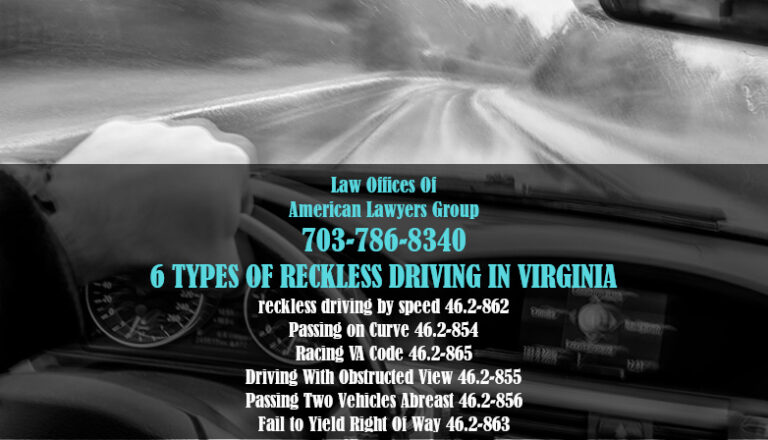
  • Basic Speeding (e.g. 10–15 mph over the limit): This is a traffic infraction governed by § 46.2-870 through § 46.2-878.1. These are civil violations.
  • Reckless Driving by Speed: Under § 46.2-862, if you were:
  • Driving 20 mph or more over the speed limit, or
  • Driving over 85 mph, even in a 70 mph zone
  • Then you were likely charged with reckless driving, a Class 1 misdemeanor, not a simple ticket.
Speeding Ticket in Virginia

“A person shall be guilty of reckless driving who drives… (i) 20 miles per hour or more over the limit or (ii) in excess of 85 miles per hour regardless of the limit.” — § 46.2-862

Step 2: Read the Summons Carefully

The ticket will tell you: 

  • The court date
  • Whether your appearance is required
     

Can You Prepay? 

Under § 46.2-944, most speeding tickets (infractions) can be prepaid online or by mail. However, prepaying is the same as pleading guilty, and you will receive demerit points and possibly higher insurance rates. 

“Prepayment of the fine and costs shall be deemed a waiver of court appearance and an admission of guilt.” — § 46.2-944 

If the box for “must appear” is checked—or if the ticket says reckless driving—you must appear in court. 

Step 3:  Check Your Speed and Zone 

Your options depend on where and how fast you were driving: 

  1. a) Regular Roads 

Speed limits are set under: 

  • § 46.2-870 – 55–70 mph on highways
  • § 46.2-874 – 25 mph in business or residential areas
  • § 46.2-873 – 25 mph in school zones
  1. b) Work Zones 

Per § 46.2-878.1, speeding in work zones (even without workers present) carries a fine up to $500. 

Step 4:  Decide Whether to Fight the Ticket 

If you were charged with: 

  • Driving more than 20 mph over the limit  
  • Driving 85+ mph
  • Speeding in a school or work zone

…you may want to contest the charge in court. Fighting a ticket is your legal right and may help you avoid: 

  • A criminal record
  • DMV points
  • License suspension or insurance increases
     

Step 5:  Explore Legal Defenses Under Virginia Code 

You may raise legal challenges based on procedural or evidentiary issues: 

  1. a) Radar or LIDAR Calibration 

If the officer used radar or LIDAR, the device must have a valid calibration certificate under § 46.2-882. 

“No such device shall be used unless it has been calibrated or tested within the past six months.” — § 46.2-882 

Request to see the certificate in court. If it’s missing, expired, or improperly completed, the reading may not be valid. 

  1. b) Speed Limit Signage 

Under § 46.2-878, speed limits must be posted clearly. If you can show the signage was missing, blocked, or not visible, you may argue that the speed limit wasn’t enforceable. 

  1. c) Officer’s Estimation 

If no radar or speed-measuring device was used, and the officer relied on visual estimation, you may argue the evidence is insufficient or imprecise. 
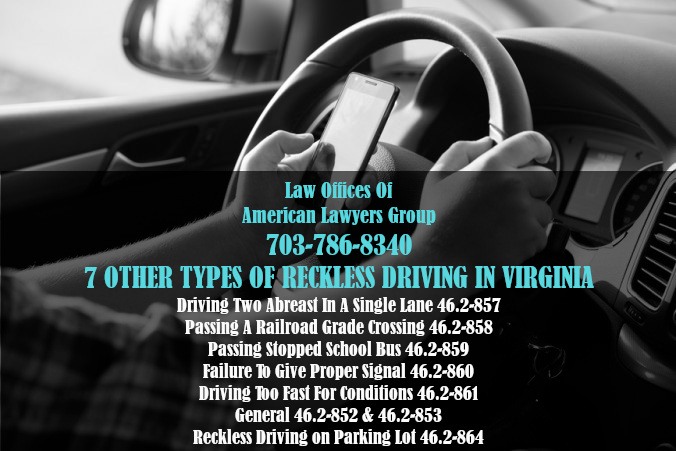
Speeding Ticket in Virginia

Step 6:  Understand the Penalties 

Depending on your charge, penalties can include: 

  1. a) For a Simple Speeding Infraction: 
  • Fines: Usually $6 per mph over the limit (e.g., 10 mph over = $60)
  • Additional penalties:  
  • $200–$250 extra in school or work zones (§ 46.2-873, § 46.2-878.1)
  • DMV demerit points:
  • 3 points for 1–9 mph over
  • 4 points for 10–19 mph over
  • 6 points for 20+ mph over
     
  1. b) For Reckless Driving (Class 1 Misdemeanor): 

Under § 18.2-11, you face: 

  • Up to 12 months in jail
  • Up to $2,500 fine
  • License suspension up to 6 months (§ 46.2-392)
     

Step 7:  Track Your DMV Record 

The Virginia DMV assigns demerit points for all moving violations under § 46.2-489. Accumulating too many points in a short time can trigger: 

  • Driver improvement clinics  
  • License suspension (especially for minors)  

“The Commissioner shall assign demerit points… based on severity of the offense.” — § 46.2-489 

Tip: You can request a copy of your driving record through the DMV to check your current point status. 

Step 8:  Consult Legal Counsel (if needed) 

If you are charged with reckless driving or have prior violations, it’s wise to consult a traffic or criminal defense attorney. A lawyer may help: 

  • Reduce the charge to a simple infraction  
  • Dismiss the case based on faulty radar  
  • Avoid license suspension or a criminal record
     

Experienced Low-Cost Fairfax Speeding Ticket Lawyer

speeding lawyer fairfax

Se Habla Español

Call Now – FREE Consultation

Step 9:  Consider Traffic School or Mitigation 

For minor infractions, the court may offer: 

  • Driver improvement programs to reduce demerit points  
  • Deferred findings

     

Personal Injury Claim in Virginia

A Step-by-Step Guide to Filing a Personal Injury Claim in Virginia:

We know this can be a tricky and confusing process. American Lawyers Group has skilled and experienced Personal Injury Attorneys in Northern Virginia who know how to help you in your personal injury claims and will get you the compensation you deserve!

Experienced Strong Defense Personal Injury Lawyer In Virginia

Personal Injury Claim in Virginia

Call Now – FREE Consultation

If you are having trouble filing your personal injury claim in Virginia, keep reading to understand the crucial steps that go into your potential claim and case.

Step 1: Determine If You Have a Valid Claim

To file a personal injury claim, you must show:

  1. Duty of care – The other party had a legal duty to act reasonably.
  2. Breach – That duty was violated.
  3. Causation – The breach directly caused your injuries.
  4. Damages – You suffered actual harm (e.g., medical bills, lost income, pain and suffering).
Personal Injury Claim in Virginia

According to VA Code § 8.01-58, Virginia follows the pure contributory negligence rule, meaning if you are found even 1% at fault, you may be barred from recovery.

Step 2: Seek Medical Attention and Document Everything

Immediate medical treatment helps establish the seriousness of your injury. Keep detailed records of:

  • Medical bills
  • Doctor’s reports
  • Photographs of injuries or damage
  • Witness names and statements

According to VA Code § 8.01-379.1 (governs admission of certain medical records in civil actions), Virginia courts require plaintiffs to prove damages with specificity.

Step 3: Identify the Defendant and Relevant Insurance

Before filing suit, determine:

  • Who is legally responsible (e.g., driver, property owner, employer)
  • What insurance coverage applies (auto liability, homeowners, commercial policies)

According to VA Code § 38.2-2206, in auto accident cases, insurers must offer Uninsured/Underinsured Motorist (UM/UIM) coverage. 

Uninsured/underinsured motorist (UM/UIM) coverage is a type of car insurance that protects you if you’re in an accident with a driver who either has NO insurance or doesn’t have enough insurance to cover your damages. 

Uninsured Motorist coverage pays if the at-fault driver is uninsured, while Underinsured Motorist coverage pays when the at-fault driver’s insurance isn’t enough to cover your losses. 

Step 4: Notify the At-Fault Party and Their Insurer

You or your attorney should send a letter of representation and preserve evidence (including surveillance footage or incident reports). Early notice also prevents the destruction of critical evidence and opens settlement discussions. Timely action is crucial!

Step 5: Attempt to Settle the Claim

Most personal injury claims settle out of court. Settlement negotiations involve:

  • Demands for compensation (often with supporting documentation)
  • Negotiation with insurance adjusters
  • Possibly, mediation or arbitration

However, if no fair settlement is offered, filing suit may be necessary.

Personal Injury Claim in Virginia

Step 6: File the Lawsuit Within the Statutory Deadline

Virginia imposes strict statutes of limitations:

File your Complaint in the appropriate Virginia Circuit Court and serve the defendant according to VA Code § 8.01-275.

Step 7: Discovery, Motions, and Trial

Once a lawsuit is filed, the case proceeds through these phases:

  1. Discovery – Exchange of evidence, depositions, interrogatories

    Governed by VA Supreme Court Rules (Rule 4:1–4:12)
  2. Motions – Including motions to dismiss or for summary judgment
  3. Trial – If no settlement is reached, the case proceeds to trial before a judge or jury. Plaintiffs must prove their case by a preponderance of the evidence.

Step 8: Recovering Damages

If successful, you may be entitled to:

  • Economic damages: Medical expenses, lost income, property damage
  • Non-economic damages: Pain and suffering, emotional distress
  • Punitive damages: In cases of gross negligence or willful conduct

    Limited to $350,000 under VA Code § 8.01-38.1

According to VA Code § 8.01-44.5, in auto accident cases involving drunk drivers, punitive damages may apply.

Experienced Result Oriented Personal Injury Lawyers in Virginia

Personal Injury Lawyers in Virginia

Call Now – FREE Consultation

Se Habla Español

Contact Us

We, American Lawyers Group, urge you to consider filing a claim if you have been affected, consult our Personal Injury Attorney licensed in Northern Virginia to ensure compliance with all legal requirements and deadlines. Hire us now and we will get you justice! Call us today at (703) 786-8340 to schedule a consultation.

Disclaimer: This article is not actual legal advice and is only meant for blog/content purposes.

Abogado de Lesiones Personales en Virginia

Si sufrió lesiones en un accidente automovilístico en Virginia, comprender cómo se determina la responsabilidad es uno de los pasos más importantes para proteger su derecho a una indemnización.

Precio Bajo Con Abogado de Lesiones Personales en Virginia

Abogado de Lesiones Personales en Virginia

Abogado Roberto Antonio Silva Sanchez

Abogado de Lesiones Personales en Virginia – Consulta GRATIS

Se Habla Español

American Lawyers Group cuenta con abogados con experiencia en lesiones personales en el norte de Virginia que están aquí para ayudarle en esta situación.

La ley de Virginia es muy específica en cuanto a la asignación de culpa, e incluso un pequeño error en la evaluación de la culpa podría impedirle obtener una indemnización completa por los daños. ¡Siga leyendo para comprender sus derechos y qué puede hacer para obtener una compensación por sus lesiones!

¿Qué es la responsabilidad?

La responsabilidad se refiere a la responsabilidad legal de alguien por algo, especialmente por deudas, obligaciones o daños. En Virginia, la responsabilidad le ayudará a determinar quién tiene la culpa del accidente y, por lo tanto, quién está legalmente obligado a pagar por los daños o lesiones resultantes.

Según la ley de Virginia, establecer la responsabilidad a menudo requiere demostrar negligencia. La negligencia es la falta de cuidado razonable, lo que resulta en daño a otra persona.

¿Quién es responsable en Virginia de las lesiones por accidentes de tráfico?

Virginia aplica un sistema basado en la culpa para los accidentes de tráfico, lo que significa que la persona que causó el accidente es responsable de los daños resultantes. Esta persona es responsable de las lesiones y los daños materiales causados por su negligencia o conducta ilícita al conducir.

Abogado de Lesiones Personales en Virginia

La negligencia es el factor clave para determinar la culpa. Para demostrar la responsabilidad, debe demostrarse que el conductor culpable tenía un deber de cuidado, incumplió dicho deber mediante un comportamiento inseguro, como exceder la velocidad o saltarse un semáforo en rojo, que dicho incumplimiento causó el accidente y que la parte lesionada sufrió daños como resultado.

Virginia aplica una estricta regla de negligencia contributiva, lo que significa que si se determina que la parte lesionada tiene una culpa leve, ¡podría no poder obtener una indemnización! Las pruebas utilizadas para determinar la culpa incluyen informes policiales, declaraciones de testigos, evidencia física del lugar del accidente (como marcas de derrape o grabaciones de cámaras de tráfico) e investigaciones de seguros.
El Código de Virginia, artículos 8.01-63 a 8.01-66.1, describe responsabilidades específicas, como la responsabilidad por lesiones a invitados en un vehículo (artículo 8.01-63), la responsabilidad por negligencia de menores (artículo 8.01-64) y defensas como la falta de consentimiento del propietario (artículo 8.01-65). También aborda la indemnización por daños y perjuicios y las disputas por reclamaciones de seguros.

Tipos de lesiones por accidentes automovilísticos

Las lesiones resultantes de accidentes automovilísticos en Virginia pueden variar en gravedad e impacto. Algunas lesiones comunes incluyen:

Latigazo cervical y lesiones de tejidos blandos
Fracturas y fracturas óseas
Traumatismos craneoencefálicos (TCE)
Lesiones de la médula espinal
Lesiones internas
Trauma psicológico (p. ej., TEPT)
La documentación médica y los informes de accidentes son clave para vincular estas lesiones directamente con el accidente. Según la ley de Virginia, la parte lesionada debe demostrar que la lesión fue causada por la negligencia de otra parte para poder reclamar una indemnización por daños y perjuicios.

Indemnización por lesiones en accidentes de tráfico

En Virginia, las personas lesionadas en accidentes de tráfico debido a la negligencia de otra persona pueden tener derecho a una indemnización, conocida como daños y perjuicios. El Código de Virginia clasifica estas indemnizaciones en:

1. Daños económicos
Gastos médicos (Código de Virginia, § 8.01-27, para gravámenes por servicios médicos)
Salarios perdidos
Daños materiales
Costos de rehabilitación
2. Daños no económicos
Dolor y sufrimiento
Angustia emocional
Pérdida del disfrute de la vida
En casos excepcionales, se pueden conceder daños punitivos (Código de Virginia, § 8.01-38.1), pero solo si el comportamiento del acusado fue particularmente imprudente, como en accidentes relacionados con conducir bajo los efectos del alcohol.

Precio Bajo Con Abogado de Lesiones Personales en Virginia

Abogado de Lesiones Personales en Virginia

Abogado de Lesiones Personales en Virginia – Consulta GRATIS

Se Habla Español

La cantidad de compensación disponible también puede verse afectada por la cobertura del seguro según lo rige el Título 38.2 del Código de Virginia, que describe los requisitos obligatorios del seguro de automóvil, incluidos los límites mínimos de cobertura de responsabilidad.

Contacte a American Lawyers Group
Si usted o un ser querido ha sufrido lesiones debido a la negligencia de otra persona, no enfrente el proceso legal solo. Nuestros abogados expertos en lesiones personales en el norte de Virginia están aquí para guiarlo en cada paso del proceso y ayudarle a navegar por él, garantizando la protección de sus derechos. ¡Le conseguiremos la compensación y justicia que le corresponde! Llámenos al (703) 786-8340 para programar una consulta.

Aviso legal: Este artículo no constituye asesoramiento legal y solo está destinado a fines de blog/contenido.

Personal Injury Lawyer in Virginia | Virginia Car Accident Injuries Lawyer

If you’ve been injured in a car accident in Virginia, understanding how liability is determined is one of the most critical steps in protecting your right to compensation.
American Lawyers Group has experienced Personal Injury Lawyer in Virginia – who are here to help you in this situation.

Experienced Strong Defense Virginia Car Accident Injuries Lawyer

Personal Injury Lawyer in Virginia

Call Now – FREE Consultation

Virginia law is very specific when it comes to assigning fault, and even a small misstep in how fault is assessed could prevent you from recovering damages entirely. Keep reading to understand your rights and what you can do to get compensation for your injuries!

What is Liability? 

Liability is when someone is legally responsible for something, especially for debts, obligations, or damages. In Virginia, Liability will help you determine who is at fault for causing the accident, and therefore who is legally obligated to pay for resulting damages or injuries.

Under Virginia law, establishing liability often requires showing negligence. Negligence is the failure to use reasonable care, resulting in harm to another.

Personal Injury Lawyer in Virginia

Who is liable in Virginia for car accident injuries? 

Virginia follows a fault-based system for car accidents, meaning the person who caused the accident is responsible for damages resulting from it. This person is liable for injuries and property damage caused by their negligence or unlawful conduct while driving

  • Negligence is the key factor in determining fault. To prove liability, it must be shown that the at-fault driver owed a duty of care, breached that duty by unsafe behavior like speeding or running a red light, that breach caused the accident, and that the injured party suffered damages as a result
  • Virginia applies a strict contributory negligence rule, meaning if the injured party is found even slightly at fault, they may be barred from recovering damages!
  • Evidence used to determine fault includes police reports, witness statements, physical evidence from the accident scene (such as skid marks or traffic camera footage), and insurance investigations
  • The Code of Virginia § 8.01-63 to § 8.01-66.1 outlines specific liabilities, such as liability for injuries to guests in a vehicle (§ 8.01-63), liability for negligence of minors (§ 8.01-64), and defenses like lack of owner consent (§ 8.01-65). It also addresses damages recovery and insurance claim disputes.


Types of Car Accident Injuries

Injuries resulting from car accidents in Virginia can vary in severity and impact. Some commonly recognized injuries include:

  • Whiplash and soft tissue injuries
  • Broken bones and fractures
  • Traumatic brain injuries (TBI)
  • Spinal cord injuries
  • Internal injuries
  • Psychological trauma (e.g., PTSD)
Personal Injury Lawyer in Virginia

Medical documentation and accident reports are key in connecting these injuries directly to the accident. Under Virginia law, the injured party must establish that the injury was caused by the negligence of another party in order to seek damages.

Compensation for Car Accident Injuries

In Virginia, individuals injured in car accidents due to someone else’s negligence may be entitled to receive compensation, referred to as damages. These are categorized under the Virginia Code as:

1. Economic Damages

  • Medical expenses (VA Code § 8.01-27 for medical service liens)
  • Lost wages
  • Property damage
  • Rehabilitation costs

2. Non-Economic Damages

  • Pain and suffering
  • Emotional distress
  • Loss of enjoyment of life

In rare cases, punitive damages (VA Code § 8.01-38.1) may be awarded, but only if the defendant’s behavior was particularly reckless, such as in DUI-related accidents.

The amount of compensation available can also be impacted by insurance coverage as governed by Title 38.2 of the Virginia Code, which outlines mandatory automobile insurance requirements, including minimum liability coverage limits.

Experienced Low-Cost Personal Injury Lawyer in Virginia

Personal Injury Lawyer in Virginia

Call Now – FREE Consultation

Contact the American Lawyers Group

If you or a loved one has been injured due to someone else’s negligence, don’t face the legal process alone. Our experienced personal injury attorneys in Northern Virginia are here to guide you every step of the way and who can help you navigate the process and ensure your rights are protected. We will get you your rightful compensation and justice! Give us a call at (703) 786-8340 to schedule a consultation.

Disclaimer: This article is not actual legal advice and is only meant for blog/content purposes.

Arson in Virginia

Arson is a serious criminal offense that involves the intentional setting of fires to property, land, or structures. Beyond the destruction of property, arson (Arson in Virginia) can pose a severe risk to public safety, result in loss of life, and cause long-term environmental and economic damage.

Experienced Strong Defense Arson Lawyer in Virginia

Arson in Virginia

Call Now – FREE Consultation

We, at American Lawyers Group, have experienced Defense Attorneys in Virginia that can remove these trickier charges. Contact an arson lawyer now!

What Is Arson?   (VA Code. § 18.2-77)

Arson typically refers to the willful and malicious burning of property. The act of maliciously burning and using explosive devices to destroy property can lead to the charge of arson, as per the Virginia Code Laws. Common variations of arson include Vandalism, Revenge, Reckless Burning and Crime Concealment per (§ 18.2‑77, ‑79, ‑80)

Under Virginia Law, arson includes setting fire to buildings maliciously, threatening to bomb or damage buildings or means of transportation and manufacturing firebombs and explosive materials. An arson lawyer will help drop your charge!

Statute Property Type Occupancy Status Penalty
§18.2-77 Dwelling house, apartment, hotel, hospital, mental health facility, jail, prison, church, or similar dwelling Occupied 5 years to life in prison, fine up to $100,000
§18.2-77 Dwelling house, apartment, hotel, hospital, mental health facility, jail, prison, church, or similar dwelling Unoccupied 2–10 years in prison, fine up to $100,000 (Class 4 felony)
§18.2-79 Meeting house, courthouse, school, warehouse, factory, etc Occupied 5–20 years in prison, fine up to $100,000 (Class 3 felony)
§18.2-79 Meeting house, courthouse, school, warehouse, factory, etc Unoccupied 2–10 years in prison, fine up to $100,000 (Class 4 felony)
§18.2-80 Other structures (not covered by 77/79) Occupied 5–20 years in prison, fine up to $100,000 (Class 3 felony)
§18.2-80 Other structures (not covered by 77/79) Unoccupied 2–10 years in prison, fine up to $100,000 (Class 4 felony if value > $1,000); up to 12 months in jail, $2,500 fine if value < $1,000 (Class 1 misdemeanor)
§18.2-81 Personal property (not structures) N/A 2–10 years in prison, fine up to $100,000 if value > $500 (Class 4 felony); up to 12 months in jail, $2,500 fine if value < $500 (Class 1 misdemeanor)
§18.2-86 Land, grass, fences, woods, straw, etc. N/A 1–5 years in prison, or up to 12 months in jail and $2,500 fine (Class 6 felony)


Common Reasons Include:

  • Insurance fraud
  • Vandalism or retaliation
  • Concealment of another crime
  • Psychological disorders (e.g., pyromania)
  • Political or ideological motives
  • Revenge
  • Political/Social Protest

Arson is often driven by strong emotions or personal gain. People may set fires out of anger or revenge, to collect insurance money, or to cover up another crime like theft. Sometimes, individuals act out of thrill-seeking or peer pressure, especially among young offenders. Each of these reasons points to different needs or problems that might push someone to commit arson, making it a crime with many possible underlying causes.
Why You Need a Skilled Arson Defense Attorney

Virginia arson laws are tough. Charges can result in long-term imprisonment, hefty fines, and a permanent criminal record. Felony convictions, especially Class 2 or Class 3 felonies, can impact your ability to gain employment, vote, or own firearms in the future.

At American Lawyers Group, our criminal defense attorneys are well-versed in arson laws and trial procedures. Our goal is to examine every detail of your case , from the evidence and forensic reports to witness testimony and police conduct,  to challenge the prosecution’s narrative.

Possible defenses to arson charges include:

  • Mistaken identity
  • Accidental fire
  • Lack of malicious intent
  • Insufficient evidence
  • Alibi
  • Unlawful search or seizure

What Happens During an Arson Investigation?

An arson investigation is a highly specialized process that often involves multiple agencies, including fire departments, police detectives, forensic scientists, and sometimes federal authorities. Once a fire occurs and arson is suspected, investigators will collect evidence from the scene, interview witnesses, and determine the fire’s origin and cause.

During this process, statements made to law enforcement—even casual or offhand comments—can be used against you. That’s why it’s essential to consult with a criminal defense lawyer as soon as possible. If arson is even suspected, you need a dedicated arson lawyer to handle all communications with investigators.

Your arson lawyer will review the fire scene evidence, examine lab reports, challenge faulty fire science if necessary, and ensure your constitutional rights are protected. In many arson cases, the prosecution relies heavily on circumstantial evidence and expert testimony. A skilled lawyer can poke holes in those assumptions and potentially have the case dismissed or charges reduced.

Experienced Low-Cost Arson Lawyer in Virginia

Arson Lawyer in Virginia

Call Now – FREE Consultation

Secure Legal Representation Immediately

  • Contact a criminal defense attorney specializing in arson cases. Virginia’s arson laws (e.g., §18.2-77 for occupied dwellings) carry felony charges with harsh penalties.
  • American Lawyers Group harbors the best criminal defense lawyers in Northern Virginia. We will free you of your charges. Schedule a free consultation today. Call us now! (703) 786-8340

Custodia en Virginia

La custodia de menores puede ser uno de los aspectos más complejos y con mayor carga emocional de un caso de derecho familiar. Si usted es padre o madre en Virginia y busca la custodia de su hijo, es fundamental comprender qué implica legalmente y qué pasos debe seguir para obtenerla.

Precio Bajo Con Abogado de Custodia en VirginiaVA

Abogado de Custodia en Alexandria VA

Abogado Roberto Antonio Silva Sanchez

Llame Ahora – Consulta GRATIS

Se Habla Español

En American Lawyers Group, contamos con abogados de familia con amplia experiencia en Fairfax, Virginia, que conocen las leyes de custodia y le ayudarán a obtener la custodia de su hijo. Esta guía le explicará las leyes de custodia de Virginia, cómo el tribunal decide la custodia y qué puede hacer para fortalecer su caso.
¿Qué es la custodia?

En Virginia, existen dos tipos de custodia: física y legal.
La custodia física determina con quién vivirá el menor, entre los padres.
La custodia legal determina cuál de los padres tomará las decisiones sobre el menor.

Según el Código de Asuntos de Veteranos, artículo 20-124.2.(B), el tribunal puede otorgar la custodia legal conjunta, la custodia física conjunta o la custodia exclusiva. La siguiente tabla describe estas custodias:

Custodia legal conjunta AMBOS padres comparten la responsabilidad y el derecho de tomar decisiones importantes sobre el niño.
Custodia física conjunta AMBOS padres alternan semanas, meses o una combinación de días de la semana con el niño.
Custodia exclusiva UN padre que tiene responsabilidad legal y física por el niño.

¿Qué significa “custodia exclusiva” en Virginia?

En Virginia, esto puede tomar dos formas:

  • Custodia legal exclusiva: Un padre tiene el derecho exclusivo de tomar decisiones importantes para el niño. (e.g.,educación, atención médica, religión).
  • Custodia física exclusiva: El niño reside principalmente con uno de sus padres, quien se encarga de su cuidado y sus rutinas diarias.
Custodia en Virginia

Por el contrario, la custodia compartida significa que estas responsabilidades se comparten entre ambos padres.

Razones comunes para otorgar la custodia exclusiva

Los tribunales de Virginia pueden otorgar la custodia exclusiva cuando la crianza compartida no es saludable para el niño, tanto física como mentalmente, o podría perjudicarlo. Entre los escenarios comunes se incluyen:

Abuso de sustancias o problemas de salud mental en uno de los progenitores
Antecedentes de violencia doméstica, abuso o negligencia
Ausencia o falta de participación de uno de los progenitores
Conflicto grave que perjudica la crianza conjunta
Un ejemplo de esto se muestra en Farley v. Farley (1990), donde se demuestra que los tribunales de Virginia dictaminaron que un progenitor perdió la custodia o la patria potestad debido al abuso de sustancias o problemas de salud mental.

Incluso en estos casos, los tribunales pueden otorgar al otro progenitor visitas supervisadas si se trata de un entorno seguro para el niño.

Abogados de custodia de menores en alejandría

El estándar legal: el interés superior del niño

Según el Código de Virginia, artículo 20-124.3, la ley de Virginia exige que los tribunales basen las decisiones de custodia en el interés superior del niño. Los factores que se consideran incluyen:

    1. Edad y condición física/mental del niño, considerando sus necesidades de desarrollo.
    2. Edad y condición física/mental de cada padre.
    3. Relación padre-hijo, incluyendo su participación y capacidad para satisfacer las necesidades del niño.
    4. Necesidades del niño, incluyendo las relaciones con hermanos, compañeros y familiares.
    5. El rol pasado y futuro de cada padre en la crianza y el cuidado del niño.
    6. Apoyo para la relación del niño con el otro padre, incluyendo las denegaciones de acceso anteriores.
    7. Disposición y capacidad para mantener una relación cercana y cooperar en asuntos relacionados con el menor.
    8. Preferencia razonable del menor, si el tribunal lo considera suficientemente maduro.
    9. Antecedentes de abuso o violencia, incluyendo abuso familiar o sexual, u otros actos violentos en los últimos 10 años. (Puede invalidar el factor 6).
    10. Cualquier otro factor que el tribunal considere relevante.

Para una versión más detallada de los factores que el juez considera para determinar el interés superior del niño, lea el § 20-124.3. Interés superior del niño; régimen de visitas.

    1. Presentación de una petición de custodia: Un padre o madre debe presentar una petición de custodia ante el Tribunal de Distrito de Menores y Relaciones Domésticas (Tribunal JDR) del condado o ciudad de residencia del menor.
    2. Requisito de mediación: En algunos casos, el tribunal puede exigirle que intente una mediación antes de proceder a juicio. La mediación tiene como objetivo ayudar a los padres a llegar a un acuerdo sin un juez.
    3. Tutor ad litem (GAL): El tribunal puede designar un GAL para representar los intereses del menor, especialmente en casos contenciosos.
    4. Evaluación de la custodia: El tribunal puede ordenar una evaluación psicológica o del entorno familiar si se cuestiona el abuso, la aptitud física o la estabilidad.
    5. Audiencia de la custodia: Si no se llega a un acuerdo, el caso se someterá a una audiencia, donde ambos padres presentarán pruebas y testimonios. El juez decidirá la custodia basándose en el interés superior del menor.

Precio Bajo Con Abogado de Custodia en Alexandria VA

Abogados de custodia de menores en alejandría

Llame Ahora – Consulta GRATIS

Se Habla Español

Contact the American Lawyers Group

Our experienced Family Lawyers in Northern Virginia will help you present a strong case and navigate Virginia’s custody system. Our mission is to satisfy you and help you seek custody of your child. Call us at  (703) 786-8340 to schedule a consultation!

Custody in Virginia

Child custody can be one of the most emotionally charged and complex parts of a family law case. If you’re a parent in Virginia seeking custody of your child, it’s essential to understand what that means legally and what steps you must take to achieve it. 

Experienced Strong Defense Child Custody Lawyer Fairfax Virginia

Child Custody Lawyer Fairfax Virginia

Call Now – FREE Consultation

We, American Lawyers Group, have skilled experienced Family Lawyers in Fairfax, Virginia, who know custody laws and will help you get custody of your child. This guide will walk you through Virginia’s custody laws, how the court decides custody, and what you can do to strengthen your case. 

What is Custody?

In Virginia, there are two types of custody: Physical and Legal Custody. 

Physical custody determines who the child will live with between the parents. 

Legal custody determines which parent will make the decisions regarding the child. 

child custody attorney in fairfax virginia

According to the VA. Code § 20-124.2.(B), the court may award joint legal, joint physical, or sole custody. The table below describes these custody: 

Joint Legal Custody BOTH parents share the responsibility and right to make major decisions about the child
Joint Physical Custody BOTH parents alternate weeks, months, or a combination of days in the week with the child.
Sole Custody ONE parent having both legal and physical responsibility for the child. 


What Does “Sole Custody” Mean in Virginia?

In Virginia, this can take two forms:

  • Sole Legal Custody: One parent has the exclusive right to make major decisions for the child (e.g., education, healthcare, religion).
  • Sole Physical Custody: The child resides primarily with one parent, who handles the child’s daily care and routines.

In contrast, joint custody means these responsibilities are shared between both parents.

Common Reasons for Awarding Sole Custody

Virginia courts may award sole custody when shared parenting is not healthy for the child mentally and physically or could harm the child. Common scenarios include:

  • Substance abuse or mental health issues in one parent
  • A history of domestic violence, abuse, or neglect
  • One parent being absent or uninvolved
  • Severe conflict that undermines joint parenting

An example of is shown through Farley v. Farley (1990), where it shows that Virginia courts ruled a parent losing custody or parental rights due to substance abuse or mental health issues.

Even in these cases, courts may still award the other parent supervised visitation if it is a safe  environment for the child!

The Legal Standard: Best Interests of the Child

According to the VA. Code § 20-124.3, Virginia law requires courts to base custody decisions on the best interests of the child. Factors considered include:

    1. Child’s age and physical/mental condition, considering developmental needs.
    2. Each parent’s age and physical/mental condition.
    3. Parent-child relationship, including involvement and ability to meet the child’s needs.
    4. Child’s needs, including relationships with siblings, peers, and extended family.
    5. Each parent’s past and future role in the child’s upbringing and care.
    6. Support for the child’s relationship with the other parent, including past denials of access.
    7. Willingness and ability to maintain a close relationship and cooperate on child-related issues.
    8. Child’s reasonable preference, if deemed mature enough by the court.
    9. History of abuse or violence, including family or sexual abuse, or other violent acts within the past 10 years. (May override factor 6.)
    10. Any other factors the court deems relevant.
Attorneys for child custody in northern virginia

For a more detailed version on these factors that the judge looks into for deciding the best interests of a child, read § 20-124.3. Best interests of the child; visitation.

The Custody Process in Virginia

  1. Filing a Custody Petition: A parent must file a custody petition in the Juvenile & Domestic Relations District Court (JDR Court) of the child’s home county or city.
  2. Mediation Requirement: In some cases, the court may require you to try mediation before proceeding to trial. Mediation aims to help parents reach an agreement without a judge.
  3. Guardian ad Litem (GAL): The court may appoint a GAL to represent the child’s interests, especially in contested cases.
  4. Custody Evaluation: The court may order a psychological or home environment evaluation if abuse, fitness, or stability are questioned.
  5. Custody Hearing: If no agreement is reached, the case will go to a hearing, where both parents present evidence and testimony. The judge then decides custody based on the child’s best interests.

Experienced Low-Cost Child Custody Lawyer Fairfax Virginia

Attorneys for child custody in northern virginia

Call Now – FREE Consultation

Contact the American Lawyers Group

Our experienced Family Lawyers in Northern Virginia will help you present a strong case and navigate Virginia’s custody system. Our mission is to satisfy you and help you seek custody of your child. Call us at  (703) 786-8340 to schedule a consultation!

Disclaimer: This article is not actual legal advice and is only meant for blog/content purposes.

Manutención conyugal en Virginia

La manutención conyugal, también conocida como pensión alimenticia, es el pago de dinero que un cónyuge realiza al otro tras una separación o divorcio. Existen muchos factores que determinan si usted califica para recibir manutención conyugal en Virginia.

Precios Bajos Con Abogado de Apoyo Conyugal en Virginia

Manutención conyugal en Virginia

Abogado Roberto Antonio Silva Sanchez

Llame Ahora – Consulta GRATIS

Se Habla español

En American Lawyers Group, contamos con abogados de divorcio con amplia experiencia en el norte de Virginia que se encargan de casos de manutención conyugal. Continúe leyendo para informarse y comprobar si cumple los requisitos.
En American Lawyers Group, contamos con abogados de divorcio con experiencia en el norte de Virginia que se encargan de casos de manutención conyugal. Continúe leyendo para informarse y determinar si cumple los requisitos.

¿Cómo se determina la manutención conyugal?

(Código de VA, § 20-108.1)

La manutención conyugal se determina considerando todas las pruebas de ambas partes que demuestren la necesidad de ayuda financiera.

Se consideran factores como:

Necesidades y recursos financieros

Abogada de Fairfax para apoyo conyugal

Capacidad de ingresos

Se consideran las contribuciones al matrimonio, independientemente de las obligaciones concurrentes de manutención infantil

Responsabilidad en la disolución del matrimonio

En Virginia, la manutención conyugal se determina independientemente de si se trata de manutención infantil. El tribunal evalúa la manutención conyugal basándose únicamente en las circunstancias de las partes y las pruebas presentadas en cada caso individual. Sin embargo, puede ser diferente si se incluye una manutención infantil en el caso, lo que demuestra que ambas partes tienen la custodia dividida o compartida.
Si bien la manutención infantil se rige por las normas legales con una presunción refutable de corrección, las decisiones sobre la manutención conyugal dependen de la discreción del tribunal y se adaptan a las circunstancias particulares de cada caso. Por lo tanto, la existencia o ausencia de manutención infantil no afecta directamente la determinación de la manutención conyugal, aunque puede tenerse en cuenta la situación financiera general de ambas partes.

Es importante saber que la manutención conyugal termina automáticamente si el cónyuge que recibe la manutención se vuelve a casar o si alguno de los cónyuges fallece. Si el cónyuge que recibe la manutención ha estado cohabitando en una relación similar a la de un matrimonio durante un año o más, el tribunal puede terminar la manutención a solicitud del cónyuge que la paga.

Culpa conyugal y manutención conyugal

(Código de Virginia, § 20-107.1(B)):

En Virginia, la culpa conyugal, que incluye adulterio, crueldad o abandono, puede afectar directamente las decisiones sobre la manutención conyugal. Si el cónyuge que solicita la manutención cometió adulterio, generalmente se le prohíbe recibirla, a menos que negarla constituya una “injusticia manifiesta”. Sin embargo, la culpa es sólo uno de muchos factores y no determina automáticamente el resultado.

¿Se puede obtener manutención conyugal antes del divorcio?

Sí, Virginia lo permite gracias a la manutención conyugal pendente lite. Se trata de una manutención conyugal temporal que el tribunal ordena al cónyuge con altos ingresos pagar al cónyuge con bajos ingresos si dependía económicamente del cónyuge con mayores ingresos. Es importante saber que es solo temporal y finalizará una vez finalizado el divorcio.

Determinación de la manutención conyugal pendente lite

Código de Virginia, § 16.1-278.17:1.) y § 20-103

Es importante saber que la manutención conyugal pendente lite es solo una medida temporal hasta que se emitan las órdenes finales y no garantiza una manutención permanente. La manutención conyugal pendente lite se determina mediante una fórmula específica que incluye diversos factores como los ingresos, los ingresos, la

Abogada de casos de apoyo conyugal

duración del matrimonio y el nivel de vida de ambos cónyuges. Esta fórmula SOLO aplica si los ingresos brutos mensuales combinados son inferiores a $10,000. Las directrices de pensión alimenticia pendente lite se aplican a todos los casos de manutención en el tribunal de menores, todos los divorcios en el tribunal de circuito y todas las demandas de manutención por separado en el tribunal de circuito que comiencen después del 1 de julio de 2020.

A continuación, se muestra una tabla que muestra cómo se calcula la pensión alimenticia pendente lite:
Fórmula de manutención conyugal Pendente Lite:

Condition Formula
With minor children in common (0.26 × Payor’s Monthly Gross Income) − (0.58 × Payee’s Monthly Gross Income)
Without minor children in common (0.27 × Payor’s Monthly Gross Income) − (0.50 × Payee’s Monthly Gross Income)

Ejemplo de cálculo:

Ingresos brutos del pagador: $6,000/mes. Ingresos brutos del beneficiario: $2,000/mes.

Con hijos menores en común:

(0.26 x $6,000) – (0.50 x $2,000) = $1,560 – $1,000 = $560/mes de manutención.

Sin hijos menores en común:

(0.27 × $6,000) – (0.50 × $2,000) = $1,620 – $1,000 = $620/mes de manutención.

Para ingresos brutos mensuales superiores a $10,000, los tribunales se remitirán al Código de Asuntos de Veteranos 20-107.1 para determinar la pensión alimenticia pendente lite que recibirá mensualmente el cónyuge con menores ingresos.
¿Puedo solicitar una mayor pensión alimenticia?
Código de Virginia, artículo 20-109.

Sí, puede solicitar un aumento de la pensión alimenticia. En Virginia, para solicitar un aumento de la pensión alimenticia, el tribunal debe determinar que se ha producido un cambio sustancial en las circunstancias. De conformidad con el artículo 20-107.1, los siguientes factores específicos le ayudarán a determinar si cumple los requisitos para una modificación y un aumento de la pensión alimenticia.
Esto significa que si hubiera algún cambio (disminución) en estos factores (Subsección E del § 20-107.1):

Necesidades financieras, obligaciones y recursos de cada persona (incluidos los ingresos de jubilación).
El estilo de vida de la pareja durante el matrimonio.
La duración del matrimonio.
Edad, salud y necesidades familiares especiales de cada persona.
Si las necesidades de un hijo impiden que uno de los padres trabaje.
Lo que cada persona aportó a la familia, tanto financieramente como de otro modo.
Los bienes que posee cada persona.
Cómo dividió la pareja sus bienes conyugales.
La capacidad de cada persona para ganar dinero, según sus habilidades y educación.
Lo que se necesitaría (tiempo, costo, etc.) para que alguien mejorara sus habilidades laborales.
Decisiones profesionales y de crianza tomadas durante el matrimonio y cómo afectan el potencial de ingresos.
Si una persona ayudó a la otra a progresar en su carrera o educación.
Cualquier otro factor relevante, incluidos los impuestos y los motivos del divorcio.
Cuándo se puede modificar la pensión alimenticia (Subsección F del § 20-107.1):

Si una de las partes solicita modificar la pensión alimenticia debido a un cambio sustancial en las circunstancias, el tribunal debe:

Revisar los mismos factores legales utilizados en la decisión original sobre la pensión alimenticia (como ingresos, salud, duración del matrimonio, capacidad de generar ingresos, etc.).
Explicar por escrito cómo se aplican esos factores a la situación actual.
Indicar si se esperaba y se consideró la jubilación y, de ser así, explicar cómo afecta a la decisión sobre la pensión alimenticia.
Justificar cualquier cambio en el monto o la duración de la pensión, incluyendo qué eventos futuros (como un cambio de trabajo o un problema de salud) se consideraron.
Requisitos fiscales de la pensión alimenticia

A partir de 2025, los requisitos fiscales de la pensión alimenticia dependen de cuándo se formalizó o modificó por última vez el acuerdo de divorcio o separación.

Para acuerdos finalizados antes del 1 de enero de 2019:

Los pagos de pensión alimenticia son deducibles de impuestos para quien los paga.
Deben declararse como ingresos tributables por el beneficiario.

Esto se mantiene a menos que el acuerdo se modifique posteriormente y la modificación establezca explícitamente que se aplican las nuevas normas tributarias.
Para los acuerdos finalizados o modificados a partir del 1 de enero de 2019:
Las normas han cambiado con la Ley de Reducción de Impuestos y Empleos:

Los pagos de pensión alimenticia ya no son deducibles de impuestos para el pagador.
El beneficiario no necesita declararlos como ingresos.

Precios Bajos Con Abogado de Apoyo Conyugal en Fairfax

Abogada de casos de apoyo conyugal de virginia fairfax

Se Habla Español

Llame Ahora – Consulta GRATIS

Estas normas solo se aplican si la modificación opta específicamente por el nuevo tratamiento fiscal. También es importante tener en cuenta que la manutención infantil nunca es deducible ni tributable en Virginia.

Contacte con American Lawyers Group

Si tiene alguna pregunta sobre la manutención conyugal, nuestros abogados expertos en divorcios en el norte de Virginia están aquí para ayudarle en cada paso del proceso de su caso de manutención conyugal, manutención infantil o divorcio. Llámenos hoy al (703) 786-8340 para programar una consulta.

Spousal Support in Virginia

Spousal support, also known as, alimony is the payment of money by one spouse to the other after separation or divorce. There are many factors that determine if you qualify for spousal support in Virginia.

Experienced Strong Defense Divorce Lawyer in Virginia

Divorce Lawyer in Virginia

Call Now – FREE Consultation

We, American Lawyers Group, have experienced Divorce Attorneys in Northern Virginia who deal with cases on spousal support. Keep reading to educate yourself and see if you qualify or not.

How is spousal support determined?

(VA Code. § 20-108.1)

Spousal support is determined through how the court needs to consider all evidence of both parties that show need of financial help. 

Factors such as each party’s:

  • Financial needs and resources 
  • Earning capacity
  • Contributions to the marriage are considered, regardless of any concurrent child support obligations. 
  • Responsibility for the dissolution of the marriage 

In Virginia, spousal support is determined independently of whether child support is involved. The court evaluates spousal support based solely on the circumstances of the parties and the evidence presented in each individual case. But, it can be different if there is child support added into the case which shows both parties having split custody or shared custody. 

top divorce attorneys in virginia

While child support follows statutory guidelines with a rebuttable presumption of correctness, spousal support decisions rely on the court’s discretion and are tailored to the unique facts of the case. Therefore, the presence or absence of child support does not directly affect the determination of spousal support, though the total financial picture of both parties may be taken into account.

It is important to know that spousal support terminates automatically if the supported spouse remarries or if either spouse dies. If the supported spouse has been cohabiting in a marriage-like relationship for one year or more, the court may terminate support upon request by the paying spouse.

Marital Fault and Spousal Support (VA Code § 20-107.1(B)):

In Virginia, marital fault which includes adultery, cruelty, or desertion can directly impact spousal support decisions. If the spouse requesting support committed adultery, they are generally barred from receiving it unless denying support would be a “manifest injustice.” However, fault is just one of many factors and does not automatically determine the outcome.

Can you get spousal support before divorce?

Yes, Virginia allows this because of pendente lite spousal support. It is a temporary spousal support that the court orders the high-earning spouse to pay the low-earning spouse to pay if they were financially dependent on the higher-earning spouse. It is important to know that it is only temporary and will end after the divorce is finalized. 

Determination of pendente lite spousal support (

VA Code. § 16.1-278.17:1.) & (VA Code. § 20-103)

It is important to know that pendente lite spousal support is only a temporary measure until final orders are issued and doesn’t guarantee permanent support. Pendente lite spousal support is determined through a specific formula that includes various factors like income, earnings, length of marriage, standard of living, of both spouses. This formula ONLY applies if the combined monthly gross income is below $10,000. The pendente lite guidelines apply to all support cases in juvenile court, all divorce actions in circuit court, and all separate maintenance claims in circuit court that begin after July 1, 2020.

Below is a table that shows how pendente lite spousal support is calculated: 

Pendente Lite Spousal Support Formula

Condition Formula
With minor children in common (0.26 × Payor’s Monthly Gross Income) − (0.58 × Payee’s Monthly Gross Income)
Without minor children in common (0.27 × Payor’s Monthly Gross Income) − (0.50 × Payee’s Monthly Gross Income)

Example Calculation:

Payor’s gross income: $6,000/month Payee’s gross income: $2,000/month

With minor children in common: 

(0.26 x $6,000) – (0.50 x $2,000) = $1,560 – $1,000 = $560/month in support

No minor children in common:

(0.27 × $6,000) − (0.50 × $2,000) = $1,620 − $1,000 = $620/month in support

For monthly gross incomes that exceed $10,000, the courts will refer to VA. Code 20-107.1 to determine the pendente lite spousal support the lesser earning spouse will get monthly. 

Can I request more spousal support?

VA. Code § 20-109.

Yes, you can request for an increase in spousal support. In Virginia, if you want an increase of spousal support, the court must find that there has been a “material change in circumstances”. Pursuant to § 20-107.1, these specific factors listed below will help you see if you qualify for a modification and increase in spousal support. 

child custody attorney in fairfax virginia

This means that if there were any changes (decrease) in these factors (Subsection E of § 20-107.1) : 

  • Each person’s financial needs, obligations, and resources (including retirement income).
  • The lifestyle the couple had during the marriage.
  • How long the marriage lasted.
  • Each person’s age, health, and any special family needs.
  • Whether a child’s needs prevent one parent from working.
  • What each person contributed to the family, both financially and otherwise.
  • The property each person owns.
  • How the couple divided their marital property.
  • Each person’s ability to earn money, based on their skills and education.
  • What it would take (time, cost, etc.) for someone to improve their job skills.
  • Career and parenting choices made during the marriage, and how they affect earning potential.
  • Whether one person helped the other advance in their career or education.
  • Any other relevant factors, including taxes and reasons for the divorce.

When Spousal Support Can Be Modified (Subsection F of § 20-107.1) :

If one party asks to change spousal support because of a material change in circumstances, the court must:

  1. Review the same legal factors used in the original support decision (like income, health, length of the marriage, earning ability, etc.). 
  2. Explain in writing how those factors apply to the current situation.
  3. State whether retirement was expected and considered, and if so, explain how it affects the support decision. 
  4. Justify any changes to the amount or length of support, including what future events (like a job change or health issue) were considered.

Tax requirements on spousal support

As of 2025, the tax requirements of spousal support depends on when the divorce or separation agreement was finalized or last modified. 

For agreements finalized before January 1, 2019: 

  • Alimony payments are tax-deductible for the person paying 
  • Must be reported as taxable income by the recipient. 

This remains the case unless the agreement was later modified and the modification explicitly states that the new tax rules apply.

For agreements finalized or modified on or after January 1, 2019:

Experienced Low-Cost Divorce Lawyer In Virginia

Divorce Lawyer Virginia

Call Now – FREE Consultation

The rules have changed under the Tax Cuts and Jobs Act: 

  • Alimony payments are no longer tax-deductible for the payer
  • The recipient does not need to report them as income. 

These rules apply only if the modification specifically opts into the new tax treatment. It’s also important to note that child support is never deductible or taxable in Virginia.

Contact the American Lawyers Group

If you have any more questions on spousal support, our experienced Divorce Attorneys in Northern Virginia are here to assist you every step of the way on your case relating to spousal support, child support, or divorce. Call us today at (703) 786-8340 to schedule a consultation.

Sanciones por conducir bajo los efectos del alcohol con un menor en el vehículo en Virginia

Este es un problema muy difícil de abordar. En American Lawyers Group, estamos aquí para ayudarle a comprender este problema, tanto para usted como para un ser querido que lo esté pasando. Nuestros abogados con experiencia en DUI y defensa penal en Virginia están listos para defender sus derechos y ayudarle a minimizar sus sanciones.

Precio Bajo Con Abogado de DUI en Virginia

Abogado de DUI en Virginia

Abogado Roberto Antonio Silva Sanchez

Llame Ahora – Consulta GRATIS

No se arriesgue a perder su licencia
Se Habla Español

Continúe leyendo para comprender las sanciones y cargos que podrían derivarse de conducir bajo la influencia del alcohol (DUI) con un menor/niño en el vehículo en Virginia.

¿Qué es conducir bajo la influencia del alcohol (DUI)?

En Virginia, si esta es su primera infracción, se considera DUI a cualquier persona que conduzca ilegalmente con una concentración de alcohol en la sangre (CAS) de 0.08% o superior, determinada mediante un alcoholímetro o una prueba química.

Tabla de sanciones por DUI

Code Section Description Class BAC Level Penalties 
18.2-270(A) Driving Under The Influence (DUI) Class 1 Misdemeanor BAC 0.08% Fines: $250 – $2,500

License suspension up to 1 Year

18.2-270(A) Driving Under The Influence (DUI) Class 1 Misdemeanor  BAC = 0.15% – 0.20% Fines: $250 – $2,500

Mandatory 5 Days Jail

18.2-270(A) Driving Under The Influence (DUI) Class 1 Misdemeanor BAC 0.20% Fines: $250 – $2,500

Mandatory 5 Days Jail + 10 Days Jail

Es importante saber que se pueden imponer multas adicionales y tiempo en prisión si había un menor en su automóvil durante la infracción.

DUI con una menor en el vehículo

En Virginia, según la Ley Estatal de Virginia, de conformidad con el Código de Virginia, § 18.2-270 (D), “Además de la pena autorizada por esta sección o § 16.1-278.9, cualquier persona condenada por una infracción del § 18.2-266 cometida mientras transportaba a una persona de 17 años o menos será (i) multada con un mínimo adicional de $500 y un máximo de $1,000 y (ii) condenada a un período mínimo obligatorio de confinamiento de cinco días”.

A Table of DUI with a Minor in the Car Penalties:

Code Section Description Class BAC Level Penalties 
18.2-270 (D) Driving with a Minor Passenger (under 17) Class 1 Misdemeanor

OR 

Class 4 Felony 

(If Child is Injured) 

BAC 0.08% Fines: $250 – $2,500

Up to $1,000 for Child Endangerment 

MANDATORY 5 days Jail Time (in addition to any other DUI charges)

Es importante saber que se pueden imponer multas adicionales y penas de prisión si un menor se encontraba en el vehículo durante la infracción.

Conducir bajo los efectos del alcohol con un menor en el vehículo

En Virginia, según la Ley Estatal de Virginia, de conformidad con el Código de Virginia, § 18.2-270 (D), “Además de la pena autorizada por esta sección o § 16.1-278.9, cualquier persona condenada por una infracción del § 18.2-266 cometida mientras transportaba a una persona de 17 años o menos será (i) multada con un mínimo adicional de $500 y un máximo de $1,000 y (ii) condenada a un período mínimo obligatorio de reclusión de cinco días”.

mejores abogados dui en alejandría

Una tabla de DUI con una menor en las sanciones de coche:
Estos casos suelen considerarse una amenaza para la salud de un menor, y sus implicaciones van más allá de los tribunales. Un DUI con un menor puede resultar en la intervención de los Servicios de Protección Infantil, afectar los acuerdos de custodia e incluso poner en riesgo su patria potestad.

También es importante comprender el impacto a largo plazo:

Aumento en las primas del seguro
Posible pérdida de la licencia de conducir
Antecedentes penales permanentes
Problemas con el empleo y la obtención de licencias profesionales
Acciones legales

Precio Bajo Con Abogado DUI Virginia DWI Trafico

virginia dui primera ofensa

Se Habla Español

Llame ahora – Consulta GRATUITA

Si ha sido acusado, es crucial actuar con rapidez. Puede tener defensas legales a su disposición, como impugnar la legalidad de la parada de tráfico, cuestionar la precisión de la prueba de alcoholemia o argumentar que el menor nunca estuvo en riesgo real.
Cada caso es diferente, y nuestro equipo trabaja diligentemente para investigar cada detalle y construir la defensa más sólida posible.

Contacte con American Lawyers Group

Si usted o un ser querido enfrenta cargos por conducir bajo la influencia del alcohol (DUI) que involucran a un menor en Virginia, no espere. Contacte a nuestros abogados expertos en defensa penal de American Lawyers Group, listos para ayudarle a comprender sus opciones y a construir la mejor estrategia de defensa posible. Llámenos hoy al (703) 786-8340 para programar una consulta.